
What is a COP and why does it matter?
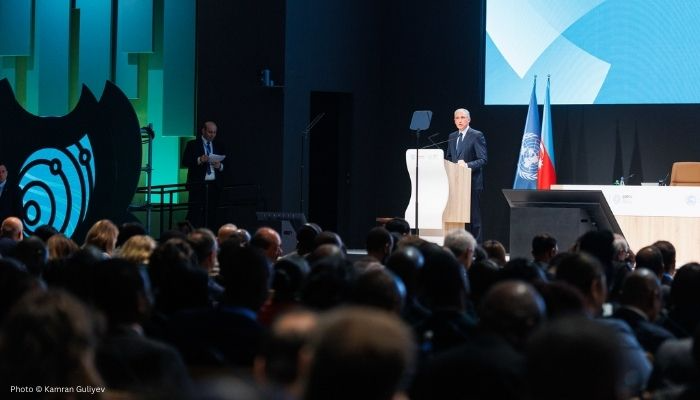
Conferences of the Parties (COPs) are critical forums for global action. These annual meetings bring together world leaders, policy makers, scientists, businesses, and activists to address the most pressing environmental issues of our time, set goals, share innovations and hold each other accountable.
COPs are dynamic platforms where international agreements such as the Paris Agreement, are forged, providing a roadmap for countries, governments, businesses and society.
As the clock ticks toward critical climate thresholds, COPs represent society’s best chance to align efforts, mobilise funding, and create equitable solutions to protect both people and the planet.
Shortcomings
COP’s get a lot of stick. Depending on your choice of source of information the COP’s are regularly subject to smear campaigning. From decisions on where they are held, the leaning of presidency, the ratio of fossil fuel company lobbyists to negotiators incites cynicism and often rightly so.
However, when we dig deep the pros outweigh the perceived cons as there is no other place that convenes all actors in one place to discuss, tackle and address the biggest threat to humanity on a global, national and civil society scale.
Supercharging Climate Finance to $300 Billion
COP29 resulted in an agreement that will unlock $300 billion annually as climate funding for developing nations, three times the previous annual funding amount.
Implementation of carbon markets supervised by the UN was also formally agreed, which is a significant leap forward for unlocking climate finance for carbon cutting projects.
But even if COP29 resulted in some positive steps, it fell short of the ambitious actions needed to avert a climate crisis. Even if all global policies tripled their impact, we’d still fall short of the 42% carbon emissions reductions necessary by 2030.
Amid these mixed outcomes, businesses and membership organisations have taken on an increasingly leading role.
Businesses: Essential Players in the Transition
COP29 had a big focus on the role of businesses in tackling climate change, particularly SMEs.
For instance, initiatives and declarations during COP29 herald upcoming support in the transition of SMEs, including training programmes, funding opportunities, and involvement from larger businesses as buyers and investors in supply chains.
Businesses across industry are subject to increasing attention – representing 90% of companies and producing 40% of the world’s GDP, global leaders are aware that businesses are the pillar of the net zero transition.
Thankfully, they are not without support. To help them tackle this considerable challenge, membership organisations are leveraging their unique position, channel and reach into industry and professions to advocate, drive policy and provide skills.
Membership Organisations with Skin in the Game
During COP29, membership organisations, professional bodies and trade associations demonstrated that they were perfectly placed to positively influence policymaking, market dynamics and the overall transition to net zero.
From the Global Renewable Alliance making policy proposals for the deployment of renewable energy, to the launch of the Global Clean Power Alliance at a British Chamber of Commerce event, membership organisations are taking decisive action to fast-track the deployment of low-carbon infrastructure worldwide – all while making sure it’s a smooth ride.
Leaving no stone unturned, some organisations had other areas of focus such as facilitating market demand for low carbon products (e.g. the Industrial Transition Accelerator), or promoting the skills required to carry out high climate ambitions.
Overall, while influencing policymaking towards net zero, they are simultaneously creating the resources and gathering the knowledge, standards, best practices and support needed for a low carbon economy.
Membership organisations are actively making sure both the “push” and the “pull” of climate action are aligned, working with policymakers and businesses at the same time to foster effective deployment of net zero infrastructure, implementing frameworks and systems globally and across industries.
In a global context of unending negotiations, with both policymakers and industries feeling like they’re stuck between a rock and a hard place with regards to climate action or inaction, membership organisations are stepping up to stabilise the future of the industries and professions they represent – aligning policies and providing the tools to get to net zero.
Read Climate Action for Association’s COP29 membership sector outcomes report here
 Climate Action for Associations (CAFA) is the only resource and network dedicated to net zero and sustainability for the membership sector.











Leave A Comment